
Letterbox Marketing for GP & Medical Clinics
Get your medical clinic flyers into letterboxes around your practice with GPS-tracked flyer distribution.
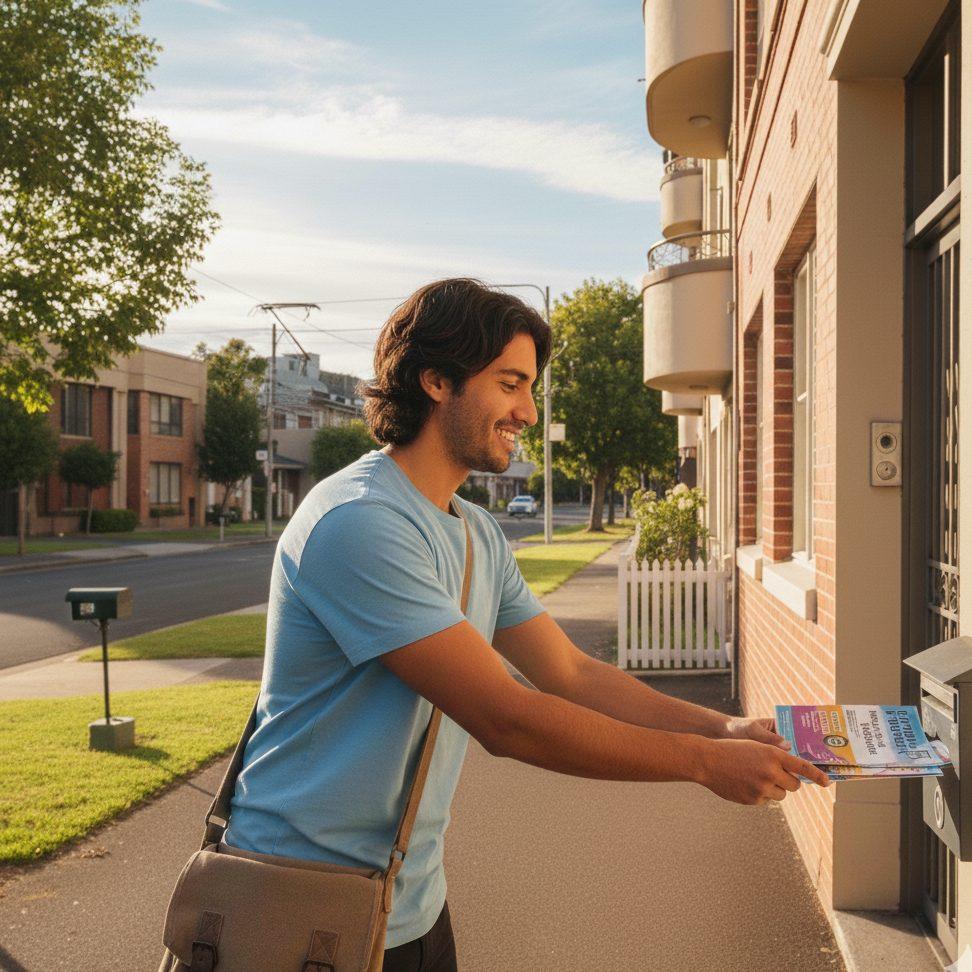
Exclusive
never bundled with other ads
56
suburbs covered
1,000
flyers, your first test run
GPS map
proof of delivery, every run
Patients want a GP close to home
Families choose a GP they can reach quickly with a sick child, and older patients want one they can walk or drive to easily. That makes the streets within a couple of kilometres the clinic’s real market.
GP clinic marketing online mostly reaches people already searching. A flyer reaches the ones who aren’t yet, and sits in the drawer until their own GP retires or closes its books.
What to put on medical clinic flyers
- Your doctors, with names, and any languages or special interests such as women’s health or skin checks.
- Billing, stated exactly: who is bulk billed and what a standard consult costs for everyone else.
- Hours and booking, including evenings, weekends and online booking if you offer them.
- Services on site, such as pathology, nurse clinics, vaccinations or allied health.
Medical advertising is regulated. AHPRA’s guidelines rule out patient testimonials and misleading claims, so keep the flyer factual. We deliver it; the content stays with your practice.
New clinics, new GPs and quiet books
- Opening a medical centre: new clinic opening flyers two to three weeks before the doors open, then again in the first month.
- A new GP joins: tell the neighbourhood the clinic has new appointments, especially if the GP speaks another language.
- Flu season: a drop in March or April about vaccination clinics brings patients in before winter.
Medical centre letterbox drops by area
Family suburbs such as Bentleigh and Mount Waverleysuit clinics that focus on children’s health and family care. Around Box Hill and Glen Waverley, clinics with GPs who speak Mandarin or Cantonese often print one side in Chinese.
Put a “How did you hear about us?” question on your new patient form. Matched with the GPS report, it shows which streets booked, so the next drop goes where it worked.
Medical clinics across Melbourne
Every drop is exclusive, with no other advertisers’ flyers in the run. Family suburbs like Bentleigh, Mount Waverley and Box Hill suit clinics taking new patients. Get a price on the letterbox drop cost page, or see dental clinics and healthcare.
How it works
- 01
Tell us the area
Streets, a radius or whole suburbs, plus quantity and start date.
- 02
Quote with a quick turnaround
Letterbox count, total cost and timeline.
- 03
Send your printed flyers
We distribute; we don't print.
- 04
We deliver and report
Walkers and e-bike riders cover the route; you get the GPS map.
Reach the families near your clinic
Tell us your clinic address and how many homes you'd like to reach. We'll quote with a quick turnaround.
- Coverage across 56 suburbs
- High-conversion letterbox marketing
- Helps you acquire new customers
Prefer to talk? 0402 824 070 or WhatsApp us
GP and medical clinic letterbox drop FAQs
- Do letterbox drops work for GP clinics?
- They suit clinics that want new patients from the surrounding streets, such as a new practice, a clinic adding a GP, or one with appointments to fill. Most patients choose a GP close to home, so the nearby households matter most.
- What can a medical clinic flyer say?
- Advertising a medical service in Australia must follow AHPRA's guidelines: no patient testimonials, no misleading claims, and clear terms on anything offered. Stick to facts such as doctors, services, hours, billing and how to book.
- Should a GP flyer mention bulk billing?
- Yes, if it's accurate. Billing is one of the first things families check, so state exactly who is bulk billed.
- When should a new medical centre drop flyers?
- Two to three weeks before opening, with the date, doctors and booking details. A second drop in the first month reaches households who kept the first flyer but haven't booked yet.
- How many homes should a clinic cover?
- Most clinics start with 2,500 to 5,000 homes within a couple of kilometres. In apartment-heavy areas the same distance covers more households, so a smaller radius is often enough.